


“Their response is usually, ‘What’s there in Seberang Perai?’” said Amir Amin Abdul Halim when asked how people react when he tells them where he’s from.
“Actually, Seberang Perai has many interesting places but people don’t go,” added the 35-year-old graphic designer, who was born there but later moved to the Klang Valley.
He eventually returned to Penaga, a quiet town in northern Seberang Perai, about 15 years ago, driven by a dream to promote local creative talent. Through his soon-to-be-launched platform, KaryaSpot.com, Amir hopes to help his hometown’s artists reach wider audiences.
The reactions he gets from outsiders are not unique. Although Seberang Perai is Malaysia’s third most populous city, after Kuala Lumpur and Kajang, many Malaysians still know very little about it.
Before we explore the exciting developments taking shape here, let’s start with a little quiz. Can you point out Seberang Perai on a map of Malaysia?
Granted city (Bandaraya) status in 2019, Seberang Perai is the largest city council in the country, covering 747 square kilometres — about 2.5 times the size of Penang Island. It encompasses the entire mainland portion of Penang and includes three districts: North, Central, and South Seberang Perai.
Many people drive through the area on their way to Penang Island or Kedah without even realising it. Towns such as Butterworth, Bukit Mertajam, and Nibong Tebal all fall within its borders.
“They know (Seberang Perai) but the excitement isn’t the same as (when you mention Penang) island,” said Dr. Mohd Zulhafiz Said, a senior lecturer at Universiti Putra Malaysia.
“They think of it as an area full of paddy fields and kampungs.”
“Even when they mentioned durian, they must mention durian from Balik Pulau, which has become a brand, you know? But we don’t mention durian from Seberang Perai. No, none,” he added, laughing.
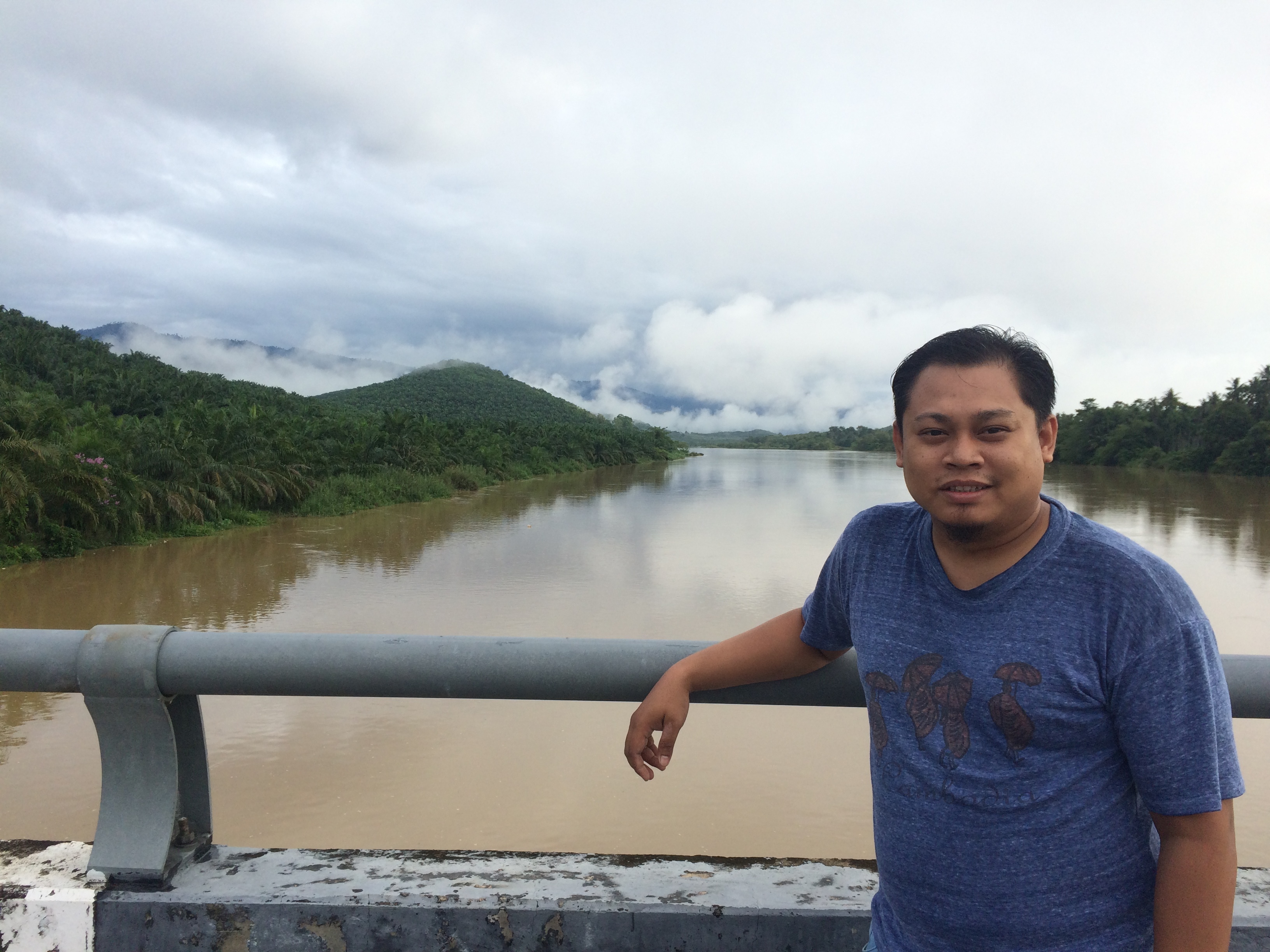
Dr. Mohd Zulhafiz Said, senior lecturer at Universiti Putra Malaysia, developed maps to promote the cultural and natural heritage of Seberang Perai. Credit: Dr. Mohd Zulhafiz Said
Dr. Zulhafiz attempted to change that perception through a project mapping Seberang Perai’s cultural and natural attractions. Both he and Amir are recipients of Think City's Seberang Perai Small Town Grants under the Levelling Up Seberang Perai Programme (LUSP) — a multi-year transformation initiative supported by the Ministry of Finance Malaysia under the Madani Economic Framework and the Penang State Government. This project aims at transforming Seberang Perai into a region of inclusive, equitable, and sustainable development by 2030.
For more information about the Levelling Up Seberang Perai Programme (LUSP), visit Think City website.
Although separated by just 11 kilometres of sea, Penang Island and Seberang Perai have followed strikingly different paths over the past three decades.
Penang Island’s rapid urbanisation was fuelled by foreign investment, tourism, and steady government support. Seberang Perai, meanwhile, saw slower progress — its economy driven mostly by agriculture and manufacturing.
The result: a widening development gap.
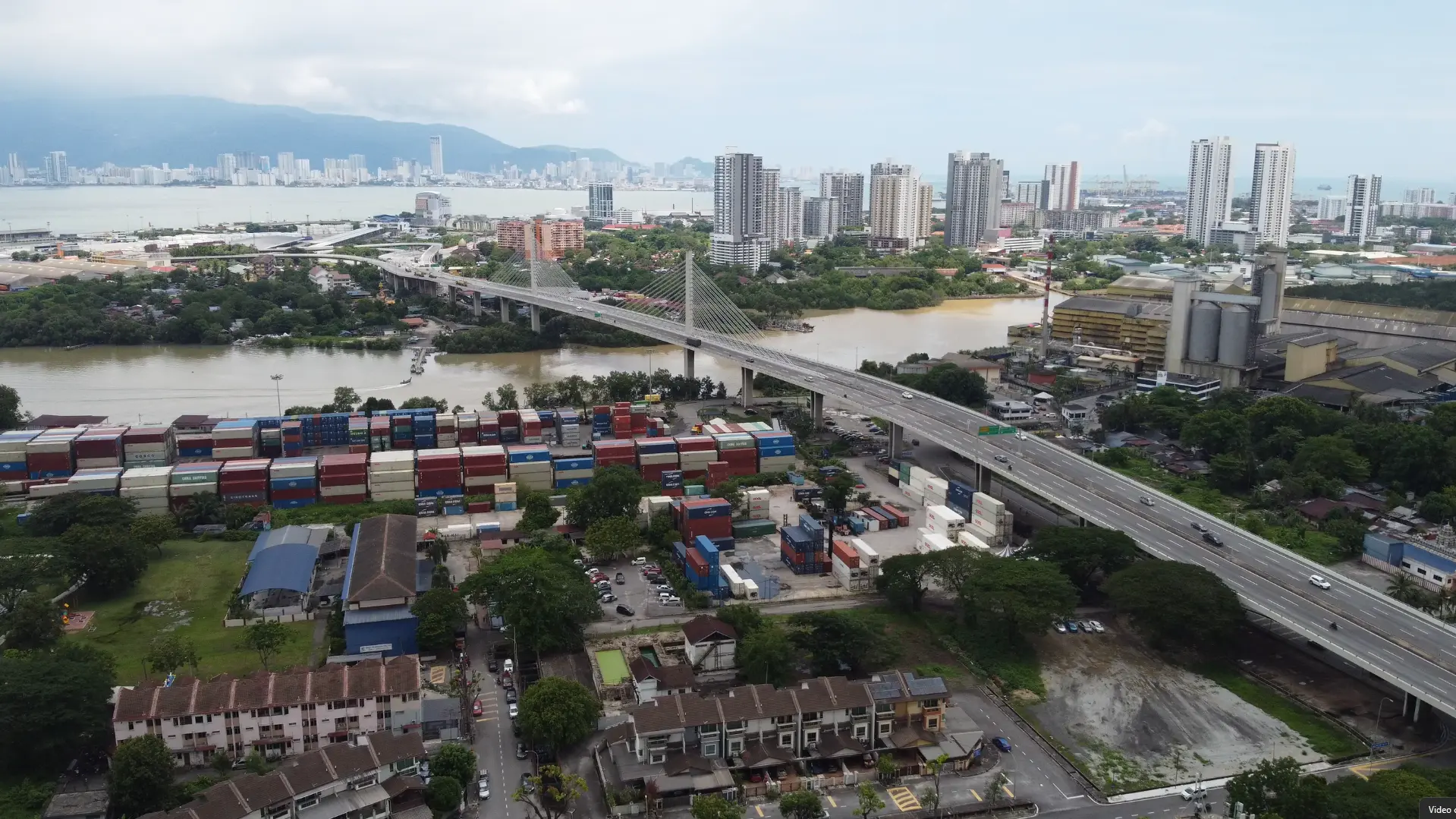
Aerial Photo of Butterworth on mainland Penang, looking across the channel toward George Town. Credit: Tan Sian Hoo
Latest government data in 2019 showed that four out of every five state assembly areas (DUNs) in Seberang Perai had median household incomes below the Penang state average. Two-thirds had higher poverty rates than the state average of 1.9%.
In short, families in Seberang Perai earn less and face higher poverty levels compared to their island neighbours.
Most DUNs in Sebarang Perai have a household income lower than those in the island
Only 4 out of 21 state assembly districts (DUN) in Seberang Perai (Berapit, Sungai Acheh, Padang Lalang, Bukit Tengah) have a higher household income than the state average of RM6,169
Most DUNs in Sebarang Perai have a higher poverty incidence rate than those in the island
Two-third of state assembly districts (DUN) in Seberang Perai have a higher poverty incidence rate than the state average of 1.9%.
Despite its disadvantages, Seberang Perai is brimming with potential. Beneath the surface lies a city full of energy, creativity, and opportunities waiting to be unlocked.
Interestingly, Seberang Perai actually has more registered business establishments than Penang Island — particularly in agriculture, manufacturing, and construction — revealing a strong entrepreneurial spirit that can thrive with better support and infrastructure.
Seberang Perai register more business entities than Penang Island
Seberang Perai has more business establishments in agriculture, manufacturing and construction compared to the island.
The region also boasts a younger population. Northern Seberang Perai (Seberang Perai Utara) has the highest proportion of residents under 15 in the entire state. With the right investments in education and skills training, these young talents could drive long-term, sustainable growth.
Seberang Perai has more younger residents than Penang Island
State assembly districts (DUN) in Seberang Perai, especially the northern part, boast the highest proportion of young people below 15 in the state.
“Seberang Perai has tremendous potential to be a model of smart growth — where economic development and environmental conservation go hand-in-hand,” said Kanda Kumar from the Malaysian Nature Society (MNS) Penang branch, another LUSP grantee.
His hopes align with LUSP’s mission to unlock Seberang Perai’s hidden strengths, including its environmental assets, cultural legacies and circular-economy leadership, which includes Malaysia’s highest recycling rate, and to channel them toward sustainable, inclusive progress.
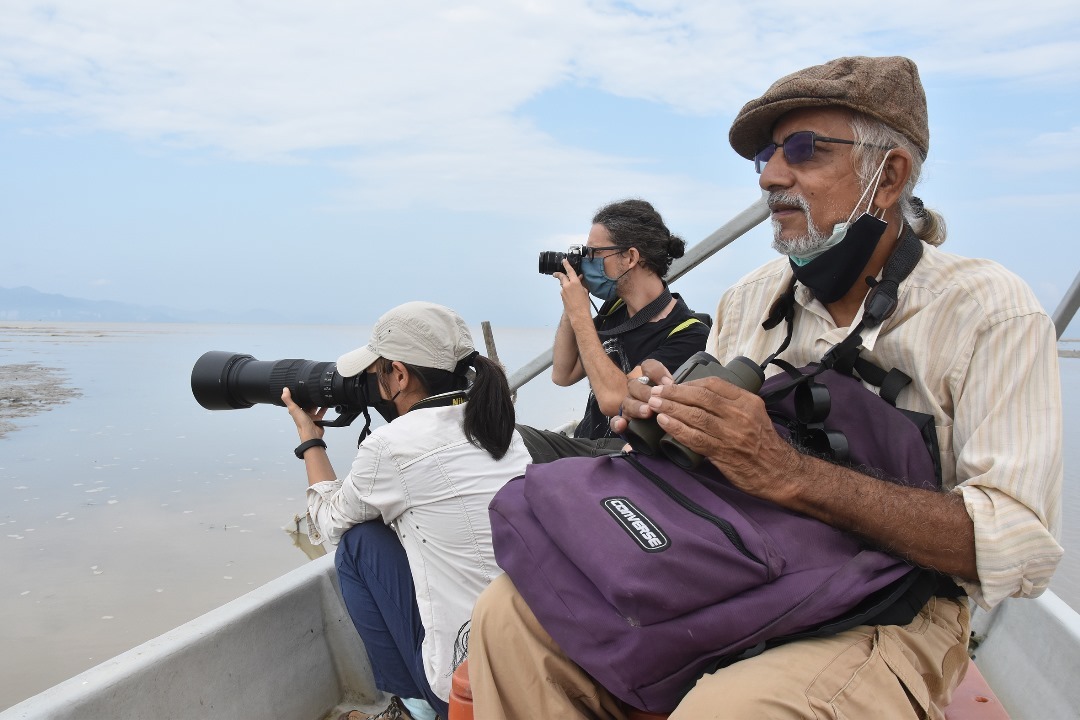
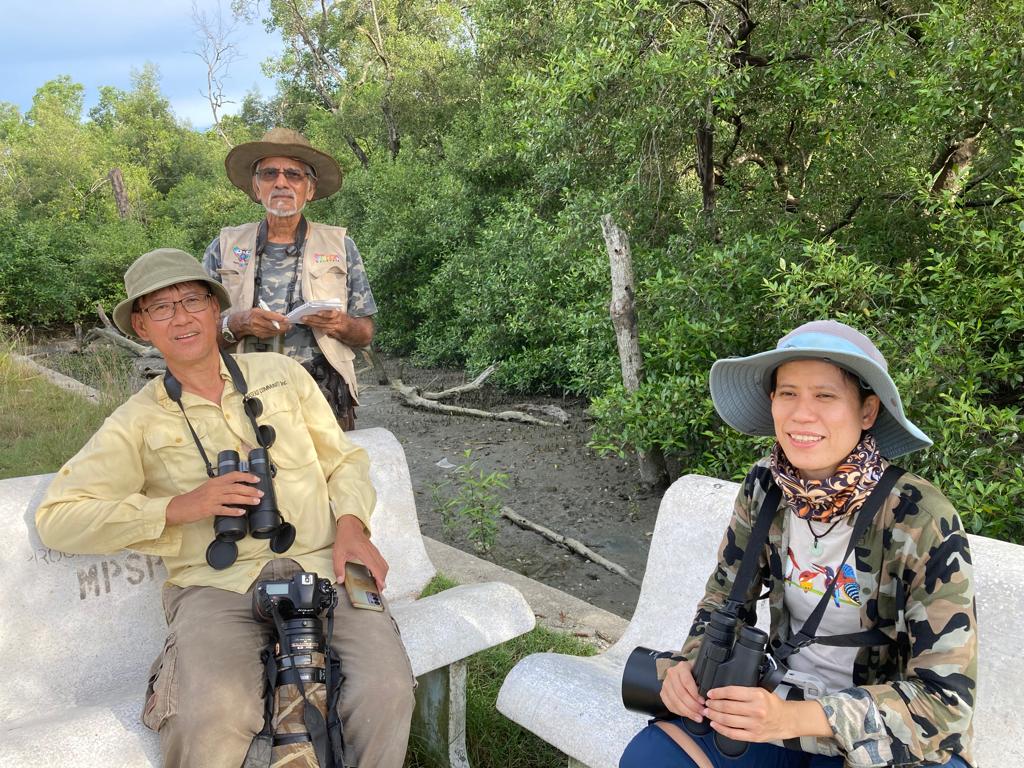
Kanda Kumar and Malaysian Nature Society volunteers conducting a bird survey at the Teluk Air Tawar–Kuala Muda (TAT-KM) mangrove forest, Penang’s only globally recognised Important Bird Area. Credit: Malaysian Nature Society Penang branch
LUSP’s roadmap unfolds in three phases through 2030. The first phase (2024–2025) focuses on assessing needs and testing grassroots solutions. The following phases, aligned with the 13th Malaysia Plan, will scale up those efforts, activating Seberang Perai’s northern coast and strengthening networks of small towns. The end goal: a vibrant, people-centric urban region where communities thrive alongside coastal development.
By Phase 3, the aim is to embed these practices into long-term policy and planning, making the changes both systemic and sustainable.
The vision is bold but achievable: by 2030, Seberang Perai could stand as an example of how communities can grow stronger when given the right support and platforms. It won’t just close the gap with Penang Island. It could become Malaysia’s model for grassroots-led, investment-ready development.
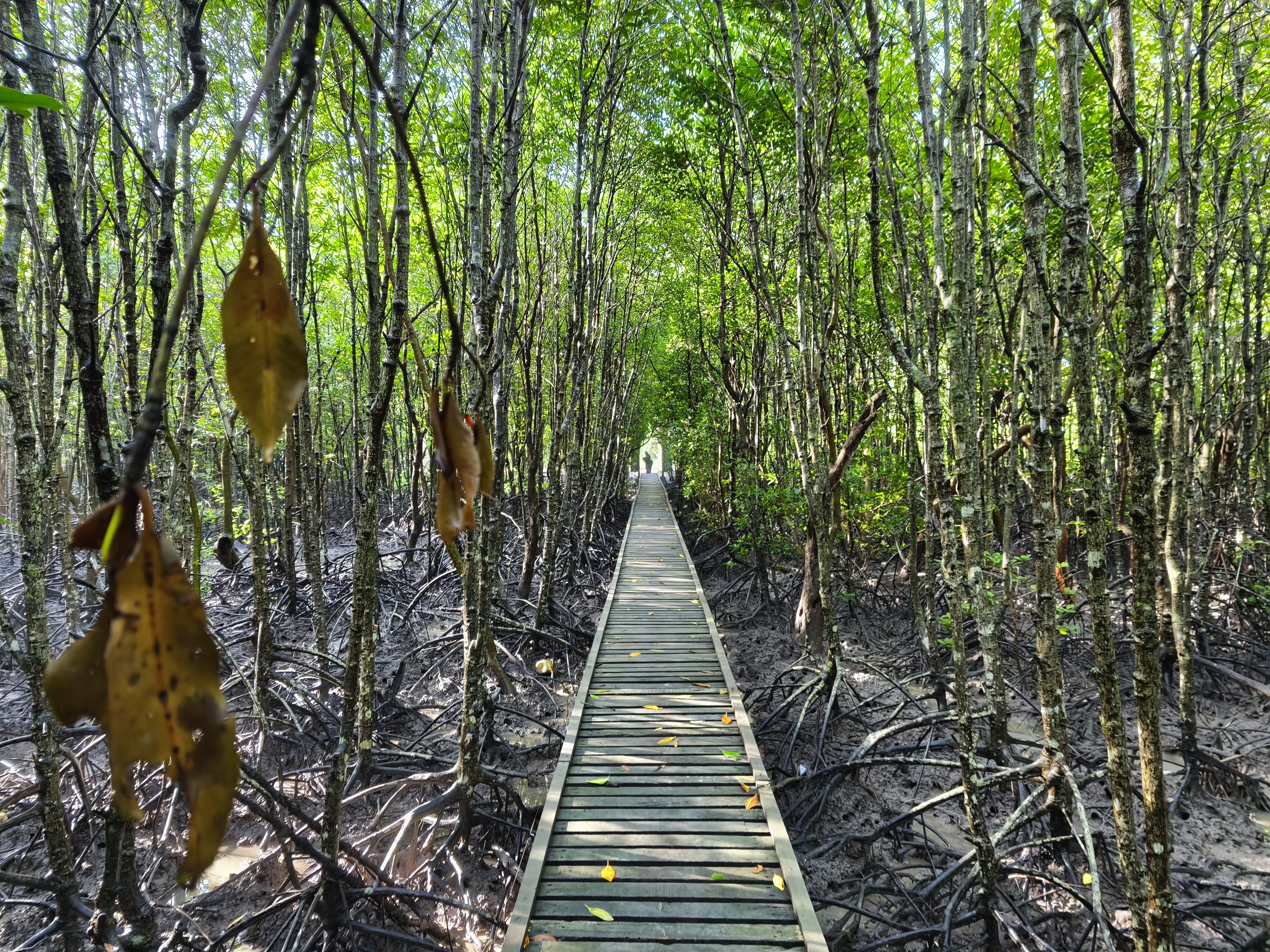
The Mangrove Forest Small Education Centre in Sungai Acheh, Seberang Perai, established by the Penang Inshore Fishermen Welfare Association (PIFWA), serves as a public hub for learning about mangrove ecosystems.
Think City’s on-the-ground research has revealed another of Seberang Perai’s biggest assets — its environmental and cultural treasures.
The crown jewel is its vast mangrove forest, covering around 990 hectares — roughly 1,388 football fields. For generations, these mangroves have provided locals with food, protected coastal villages from floods and erosion, and supported a stunning array of wildlife, including migratory birds that criss-cross the planet annually.
“People often express surprise at how rich the biodiversity is in Seberang Perai once they discover the many natural areas,” said Kumar, who is an honorary member of the MNS Penang branch
Since 1959, Penang has lost more than 3,000 hectares of mangrove forests to urban expansion and agriculture. Today, Seberang Perai holds some of the last remaining and most important mangrove habitats in the state, serving as a natural shield for its coasts and communities.
Teluk Air Tawar - Kuala Muda (TAT-KM) mangrove forest
Covering 326.38 hectares, this is the largest mangrove forest in Seberang Perai and the only globally recognised Important Bird Area (IBA) in Penang. Every year, it welcomes about 15,000 migratory birds from up to 200 species, including several that are globally threatened.
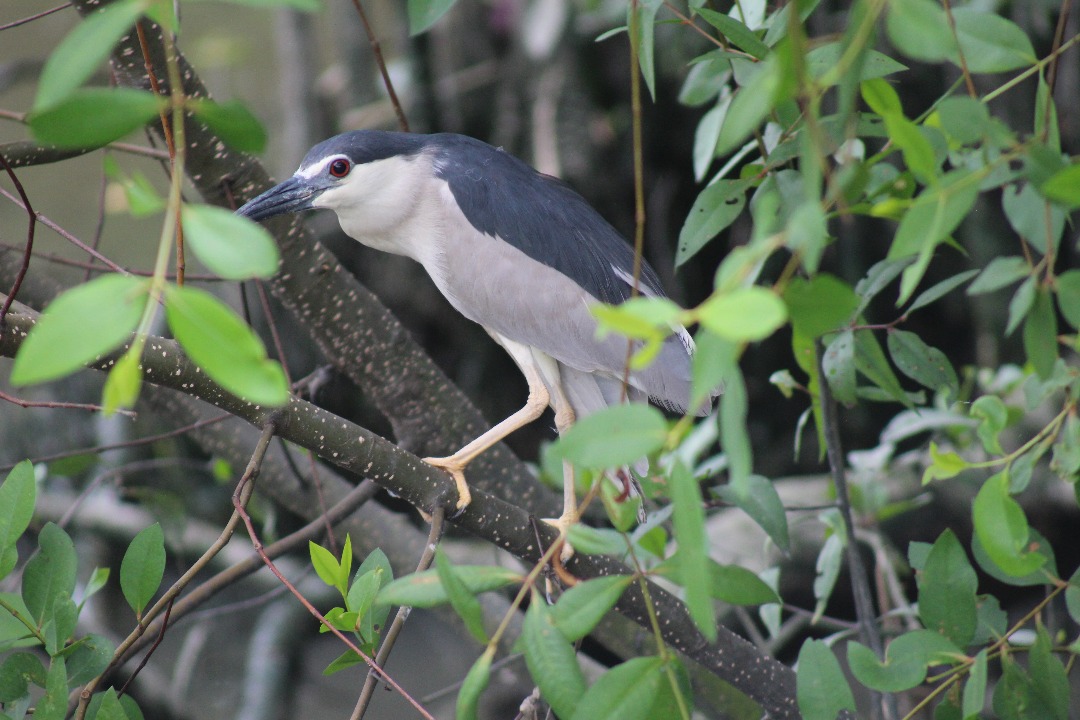
The forest also supports an active fishing community. It serves as an important inshore fishery zone for 790 registered fishermen in northern Seberang Perai and many more in neighbouring Kedah. More than 55 fish species have been recorded in these waters. With thousands of migratory birds arriving each year, the area has the potential to grow into a leading birdwatching destination between October and March.
Think City is working with partners to pursue international recognition for TAT-KM under the East Asian–Australasian Flyway Partnership, which focuses on conserving migratory waterbirds and their habitats, and under the Ramsar Convention for wetlands of international importance. Such recognition would strengthen TAT-KM’s profile and enhance its appeal as a site for sustainable eco-tourism and conservation.
Sungai Perai
Stretching 21 kilometres, Sungai Perai forms Penang’s largest river catchment, covering an area of 505 square kilometres. It supports more than 150 plant species, 124 bird species, and 35 fish species.
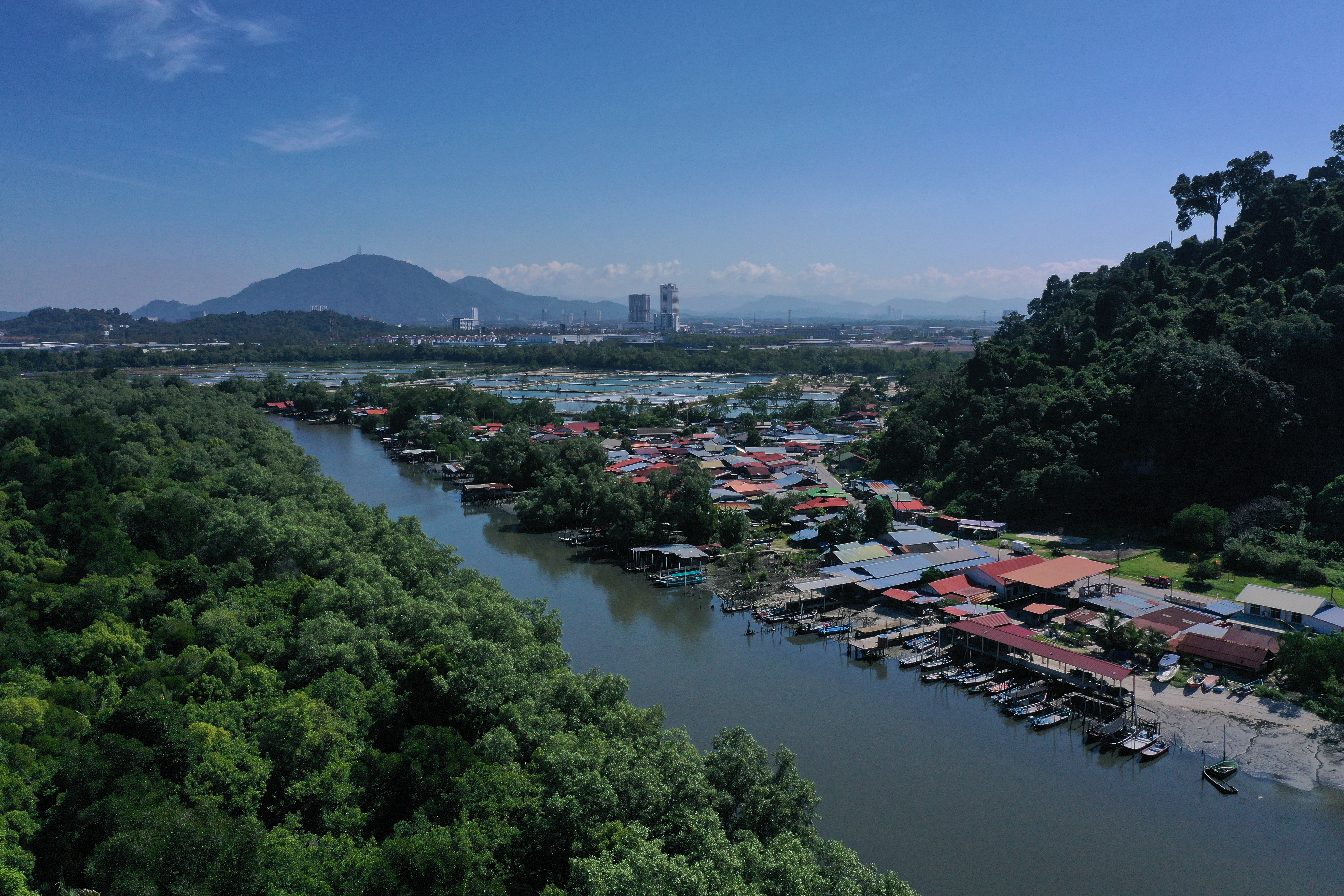
Several locations along the river have strong potential to be transformed into linear parks, recreation areas, and eco-tourism sites. The Penang state government is also exploring the river’s potential as one of the state’s future water sources.
Rivers and Mangrove Forests of Central and Southern Seberang Perai
Other mangrove belts can be found in Seberang Perai Tengah and Seberang Perai Selatan, close to river systems such as Sungai Juru, Sungai Jawi, Sungai Tengah, Sungai Kerian, and Sungai Chenaam.
These interconnected river and mangrove ecosystems play a crucial role in flood mitigation, fisheries, and coastal protection. Managing and preserving them together is essential for the long-term resilience of Seberang Perai’s agricultural and urban areas.
Conservation efforts have gained momentum in recent years. In 2022, the Penang state government gazetted eight new permanent mangrove reserves, covering 676.48 hectares, of which 675 hectares are in Seberang Perai.
Still, challenges remain — from aquaculture waste pollution to insufficient protection of mudflats, vital feeding grounds for migratory birds.
To protect these ecosystems while boosting local livelihoods, Think City has integrated community-based eco-tourism and conservation education into LUSP’s framework.
One example is MNS’s ongoing initiative, “Strengthening Local Community for the Development of Sustainable Eco-Tourism in Seberang Perai Utara.” Supported by a Think City grant, the project empowers local fishermen community in the TAT-KM mangrove forest area to become conservation advocates and eco-guides, linking environmental stewardship with community income.
“MNS has identified the potentials already existing in the community and locale that can be leveraged, such as willingness to host visitors, working as guides, and more importantly, participating in conservation,” said Kumar, adding that the goal is to create enduring, community-led change that benefits both people and the planet.
The MNS initiative is one of more than 90 activities supported through 65 grants awarded under Think City’s Seberang Perai Small Town Grants Programme. These grants were distributed across 18 focus areas, including heritage, arts and culture, local businesses, public space improvements, circular economy efforts, as well as environmental awareness and conservation.
These were shortlisted from more than 250 proposals received during LUSP’s extensive outreach, which reached over 2,500 community touchpoints through surveys, town halls, and market-side discussions. Locals — from residents to youth groups and business owners — shared their ideas through interviews and co-design sessions.
Rather than imposing top-down development plans, LUSP began by listening. The programme builds on what communities are already doing with strong coordination from the Seberang Perai City Council (MBSP) to ensure alignment with local realities.
While the grants may be modest, their impact is profound. They tell communities that their ideas matter, and that recognition fuels lasting engagement.
Through LUSP, Think City aims to transform Seberang Perai as a network city — a system of small towns working together instead of competing. Each town will play to its strengths:
- George Town as a digital and creative hub
- Bagan Ajam and Pantai Bersih for coastal tourism
- Butterworth Wharves as a transport and smart city hub
- Pekan Lama as a port and creative district
- Teluk Air Tawar and Bertam as youth and innovation centres
- Penaga for smart farming
- Kuala Muda for eco-cultural tourism
Such an approach can bring more equitable development to both urban and rural areas, and spread the urban pressure across multiple centers, avoiding the congestion, pollution, and housing strain common in single-core cities.
Similar models thrive in places like China’s Pearl River Delta (linking Hong Kong, Shenzhen, Guangzhou, and Macau) and Japan’s Keihanshin region (Kyoto, Osaka, Kobe).
Whether you live in Seberang Perai or not, you can be part of this “level-up” journey. Start by exploring what the region has to offer and share its stories.
Let’s help level up Seberang Perai, together.
Credits
Producer:
Nadyatul Syima
Web developer:
Thibi